5 Things to Know Before You Use an Indie x Alternative Rock Type Beat
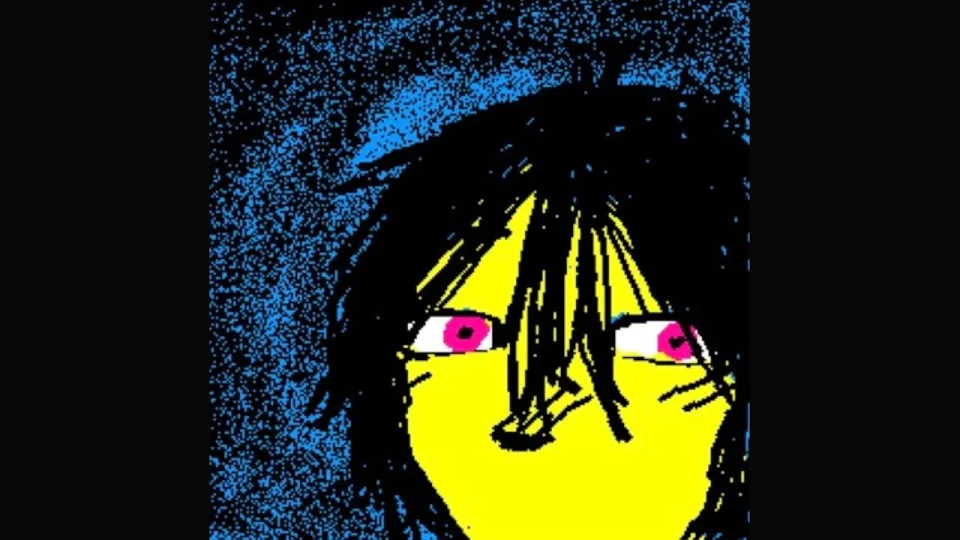
Video: [FREE] Indie x Alternative Rock Type Beat "Too Attached"
Want articles like this for your own video to promote it on YouTube and Google? Order them through the Telegram bot @sat_sit_bot. It writes articles around your video, embeds the video and publishes them on popular niche websites (no ads). Your first 50 articles are free.
· based on the channel GAXILLIC
Key takeaways
- GAXILLIC released "Too Attached" on October 19, 2026, as a free indie x alternative rock type beat.
- The instrumental is free for non-profit use only; Spotify, YouTube monetization, and iTunes require a paid license from the BeatStars store.
- All guitars on the beat are composed and recorded by GAXILLIC himself, not sampled.
- Key and BPM are not stated in the video description and are listed on the beatstore page.
- A buy-2-get-1-free deal applies to any license type in the store.
A type beat is an original instrumental built in the style of a specific artist, band, or subgenre so that a vocalist can write and record over it without clearing a sample. In indie and alternative rock, that means tracked guitars, live-sounding drums, and a mix that leaves room for a voice — exactly the format of GAXILLIC's "Too Attached," a free indie x alternative rock type beat you can download through the GAXILLIC BeatStars store, where the key, BPM, and license tiers are listed.
What a type beat actually is and why indie rock producers use the format
A type beat is a beatmaker's own composition that borrows the sonic vocabulary of a reference act — guitar tone, drum feel, arrangement density — without copying a copyrighted recording. In hip-hop the term is standard; in guitar music it functions as a shorthand for "an instrumental that sounds like it could sit on a Smashing Pumpkins, Smiths, or Foo Fighters record." The producer keeps 100% of the publishing on the instrumental and sells licenses, while the vocalist gets a finished backing track instead of hiring a band.
Three practical consequences follow from that model:
- The instrumental is original, so you never need a sample clearance for the master recording.
- The producer retains authorship, so your use is governed by a license, not by a handshake.
- Because the beat is built to be sung over, the arrangement usually leaves a mid-range gap for the vocal.
"Too Attached" follows the pattern closely: the guitars are composed and recorded by GAXILLIC rather than chopped from a record, and the drums are programmed to support a topline rather than dominate it.
The licensing rules behind a free alternative rock type beat
The word "free" on a type beat title almost never means public domain, and it is the single most misunderstood part of the format. On "Too Attached," the terms are explicit: the beat is free to use for non-profit work only, with production credited to GAXILLIC. The moment money is involved — Spotify distribution, YouTube Content ID and monetization, iTunes sales, or any paid sync — a license must be purchased from the beatstore.
What that means in practice for a rock or indie release:
- Non-profit use covers demos, SoundCloud uploads with no monetization, practice recordings, and portfolio tracks.
- Profit use covers anything that generates revenue or is distributed to streaming platforms, including Spotify and YouTube Music.
- Credit to GAXILLIC as producer is required under the free tier.
- License tiers in the store differ in streaming caps, video rights, and whether you can register the song with a distributor.
The store also runs a standing deal: buy two licenses of any type and get one free, which matters if you are planning an EP rather than a single.
How to write over an indie x alternative rock type beat
Start with the guitar motif, not the drums. Indie and alternative rock vocals are usually written against a repeating figure, and the phrasing of the melody should answer that figure rather than compete with it. On a beat like "Too Attached," the natural entry point is the verse: hum a melody over the loop, then decide where the chorus lifts.
A workable sequence:
- Loop the section you want to write and find the tonic by ear against the guitar.
- Sketch a verse melody in a narrow range so the chorus has somewhere to go.
- Write the chorus hook first if the verse keeps stalling — most indie rock choruses are simpler than their verses.
- Record a scratch vocal, then re-track guitars around the vocal rather than the other way round.
- Check the BPM and key on the beatstore page before you send the session to a mix engineer.
Listeners picking up on the details in the comments — the hi-hat pattern, the bounce of the groove, the melody — are describing the same three elements you should build the arrangement around. If the drums already swing, do not quantize your vocal to a straight grid on top of them.
Guitar tone, drums, and the 2000s alt-rock reference points
The tag list on "Too Attached" reads like a map of the genre's family tree: Smashing Pumpkins, Foo Fighters, The Smiths, Midwest emo, Y2K rock, and 2000s alternative. Those references are not interchangeable, and knowing which one you are leaning on changes how you write.
- Smashing Pumpkins / 1979 territory means layered, slightly fuzzy rhythm guitars with a soft, melodic vocal on top.
- Foo Fighters means tighter, more aggressive drums and a bigger dynamic jump into the chorus.
- The Smiths and jangle-pop means clean, arpeggiated guitar and a vocal that carries the melody with almost no distortion.
- Midwest emo means open tunings, tapped or ringing figures, and emotionally exposed delivery.
- Y2K and 2000s rock means compressed, radio-ready guitars and a hook-forward structure.
A single beat can support several of these readings, which is why the same instrumental shows up in wildly different finished songs. The arrangement you build — how many guitar layers you add, whether you double the vocal, how hard you push the chorus — decides which reference wins.
Common questions from singers trying a rock type beat for the first time
Most hesitation around type beats comes from three places: whether the track is genuinely usable, whether the sound is too specific to one artist, and whether the mix will hold up. On the first point, the licensing terms settle it — non-profit is free, profit needs a license. On the second, an instrumental tagged as indie x alternative rock is a style prompt, not a restriction; nothing stops you from writing a pop or R&B topline over it, and listeners regularly hear that crossover in guitar-driven beats.
On the third, the practical answer is to treat the beat as a finished backing track and record your vocal properly rather than layering a phone memo on top. If the instrumental feels emotionally heavy or melancholy, that is a feature of the genre, not a flaw — sad indie and Midwest-adjacent material is built on exactly that tone. Producers who want to replicate the sound themselves can find GAXILLIC's guitar presets, drum kits, and loops in the sound kits section of the store.
Where to get the beat, the kits, and the artwork
Every asset connected to "Too Attached" is reachable from a single set of links, which is useful if you want to license the beat and grab the production tools in one session:
- Purchase the "Too Attached" license or download the free non-profit version — key and BPM are listed on the page.
- GAXILLIC sound kits — guitar presets, drum kits, and loops used in this style.
- Reference artwork for the beat — the visual mood board behind the release.
Custom beats and bulk purchases are handled directly by email at gaxdream@gmail.com, or through Instagram and Telegram at @gaxillic; the Telegram channel @gaxillicbeats posts new instrumentals.
Final thoughts on picking the right type beat
The value of an indie x alternative rock type beat is that it removes the two biggest blockers for a solo artist: finding a band and clearing a sample. "Too Attached" gives you a guitar-driven, melancholy backing track with clear terms — free for non-profit, licensed for streaming — and a producer who recorded the guitars himself. Decide what you are releasing, choose the matching license tier, and write to the guitar figure rather than the drums. If the beat fits, start by picking up the license or the free download at the GAXILLIC store, and keep the producer credit on the release.
Questions & answers
Can I release a song on "Too Attached" on Spotify for free?
No. The free tier covers non-profit use only. Distributing to Spotify, YouTube Music, or iTunes counts as profit use and requires a paid license from the GAXILLIC beatstore. The store lists the license tiers alongside the key and BPM.
Do I have to credit GAXILLIC if I use the beat?
Yes. The free non-profit terms specify production credit to GAXILLIC. Paid licenses also carry credit requirements, which are spelled out on the license page you purchase.
What genre can I write over an indie x alternative rock type beat?
Anything that suits guitar-led instrumentation. The tags point to Smashing Pumpkins, Foo Fighters, The Smiths, Midwest emo, and 2000s alt-rock, but singers regularly write pop or R&B-style toplines over this kind of beat. The instrumental is a style prompt, not a restriction.
Where do I find the key and BPM of the beat?
They are not published in the video description. Both are listed on the beat's BeatStars page, so check there before you start recording or send the session to a mix engineer.
Source: [FREE] Indie x Alternative Rock Type Beat "Too Attached" · Markdown version